A productive garden doesn’t happen by accident. While planting, watering and harvesting tend to receive most of the attention, much of the work that determines how well a garden performs takes place before the growing season gets properly underway. Preparing beds, improving the soil and checking essential equipment can make a noticeable difference to everything that follows.
Whether you’re growing vegetables, maintaining flower borders or simply trying to keep the garden looking its best, a little preparation can save considerable time and effort later.
Start With the Soil
Healthy soil provides the foundation for successful gardening. It supplies plants with nutrients, supports beneficial organisms and helps regulate moisture around their roots. However, soil can become compacted, depleted or poorly structured after repeated planting and exposure to changing weather conditions.
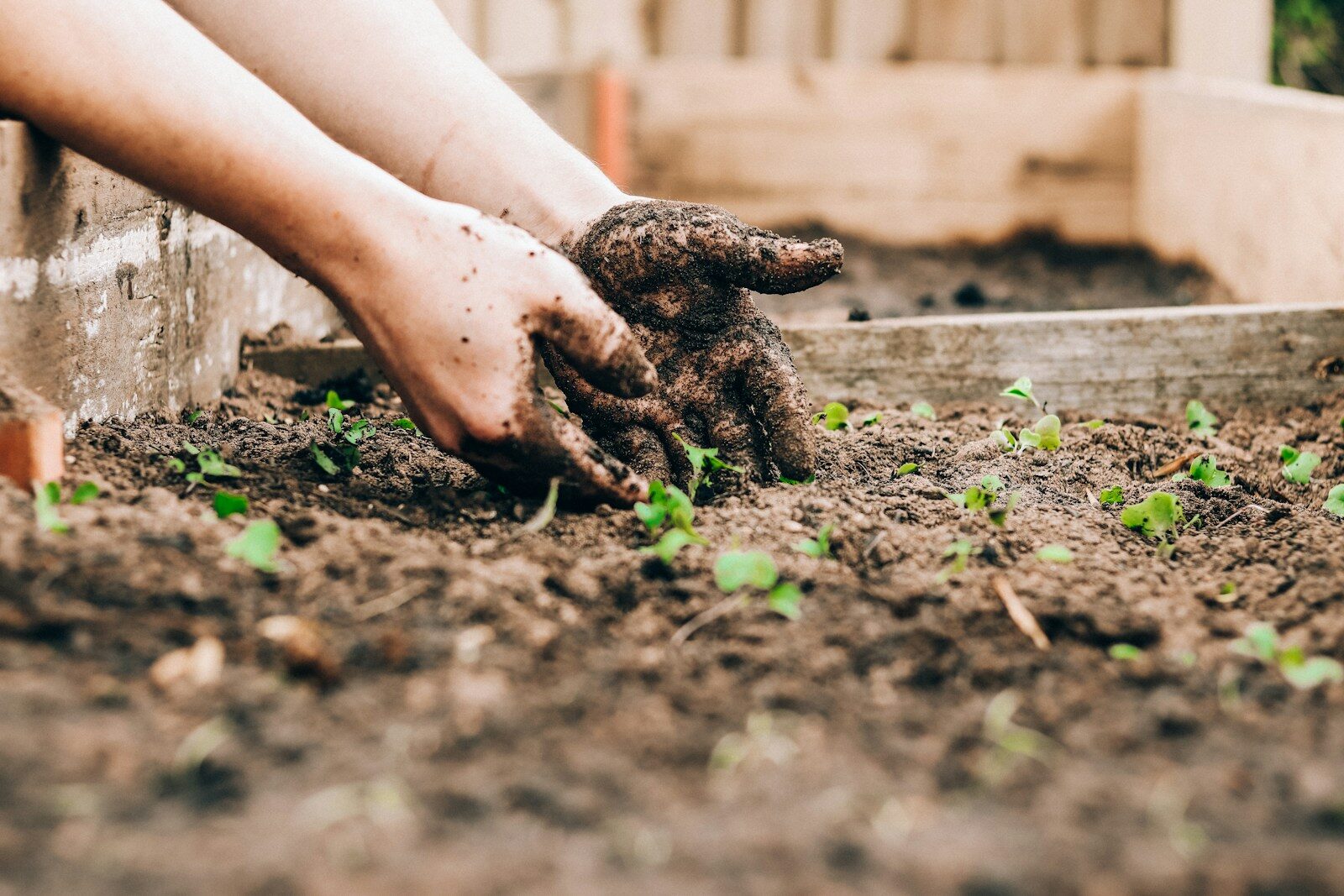
Begin by removing weeds and any remaining dead plant material. If the ground isn’t waterlogged, lightly fork over areas that need attention, taking care not to disturb established roots unnecessarily.
Adding organic matter is one of the most useful ways to improve soil structure. Homemade garden compost, well-rotted manure and leaf mould can all help improve the growing environment.
Before adding anything, consider the type of soil you’re working with. Heavy clay benefits from organic matter that improves its structure, while sandy soil can benefit from additions that help retain moisture and nutrients.
Give Garden Tools Some Attention
It’s easy to overlook tools until something breaks or becomes difficult to use. A quick equipment check before the busy season can prevent unnecessary frustration.
Work through your gardening essentials and look for:
- Blunt spade and hoe blades that need sharpening.
- Rust developing on metal tools.
- Loose handles or damaged grips.
- Cracked watering cans and leaking hose connections.
- Secateurs that need cleaning and adjustment.
Clean tools are also important for plant health. Soil and plant residue can carry pests and diseases between different areas of the garden, so it’s worth cleaning cutting equipment regularly, particularly when dealing with diseased growth.
Plan Your Planting Rather Than Rushing Into It
When the weather starts improving, it’s tempting to fill every available bed with plants and seeds. However, planting everything at once rarely produces the best results.
Think about what you want to grow and how much space each plant will need. If you’re growing vegetables, crop rotation can help reduce the build-up of soil-borne pests and diseases. Moving plant families between beds from one year to the next is a straightforward way to make better use of the available growing space.
Successional sowing is another useful technique. Rather than planting an entire packet of seeds in one go, sow smaller quantities at regular intervals. This can provide a more consistent harvest instead of leaving you with far more produce than you can realistically use at one time.
It’s also worth considering which plants will benefit from starting indoors or under cover before being moved outside.
Make Watering Easier
Watering requirements change throughout the growing season, and having a practical system in place makes looking after plants much easier.
Check hosepipes, outdoor taps and watering equipment for leaks or damage. If you have several containers or raised beds, consider whether water butts could provide a convenient source of rainwater.
Mulching around established plants can also help conserve moisture, suppress weeds and gradually improve soil quality, depending on the material used.
A Little Preparation Goes a Long Way
Getting the garden ready for another growing season doesn’t need to involve a complete overhaul. Concentrating on soil health, maintaining equipment and making sensible planting decisions gives plants a much better starting point.
It also makes the garden easier to manage once growth takes off and there are more jobs competing for your attention. A few hours spent preparing now can pay dividends in healthier plants, better harvests and a garden that’s far more enjoyable to spend time in.
Photo by Sandie Clarke.