Not every home comes with perfectly proportioned rooms, generous storage or convenient corners that seem to serve an obvious purpose. Awkward spaces are surprisingly common, whether it’s the narrow gap beneath the stairs, an unused alcove, a sloping ceiling or an oddly shaped corner that never seems to accommodate anything properly. Rather than treating these areas as wasted space, a little creative thinking can turn them into some of the most useful features of a home.
Look Beyond Traditional Storage
Storage is often the first thing that comes to mind when tackling an awkward space, but standard furniture doesn’t always make the best use of unusual dimensions. Built-in shelving, made-to-measure cupboards and floating units can provide considerably more flexibility than freestanding alternatives.
Some possibilities worth considering include:
- Under-stair storage: Pull-out drawers, shoe cupboards or a compact utility area can make excellent use of otherwise neglected space.
- Alcove shelving: Recessed shelves provide somewhere to display books, plants and decorative accessories without taking up valuable floor space.
- Unused hallway corners: A narrow console table, wall-mounted hooks or a small bench can make an entrance more practical.
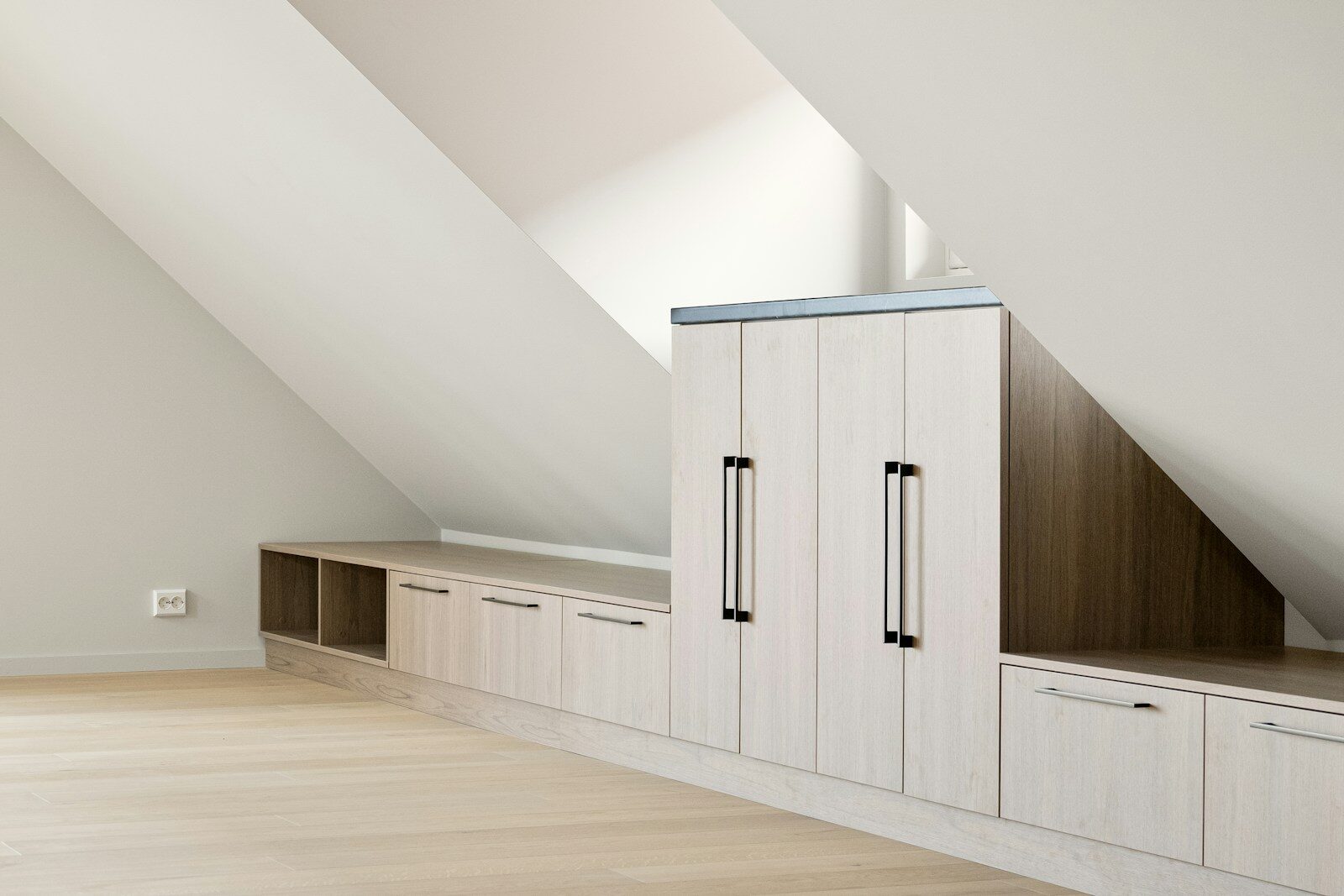
- Sloping ceilings: Low-level cupboards and fitted drawers can transform difficult bedroom spaces into useful storage.
The important thing is to measure carefully before buying anything. Furniture that looks compact in a showroom can quickly overwhelm a small or unusually shaped room.
Create a Space With a Purpose
Sometimes the best solution isn’t additional storage but giving an awkward area a completely different function. A small landing might accommodate a reading chair and wall light, while a wide hallway could provide enough room for a modest home working station.
Even a relatively narrow corner can become a useful feature with the right additions. Consider a compact desk, a wall-mounted folding table or a small seating area. The aim is to make the space feel intentional rather than like an afterthought.
Lighting also makes a considerable difference. Dark alcoves and corners can feel cramped, particularly in smaller homes. Wall lights, table lamps and carefully positioned mirrors can help brighten these areas and make them feel more welcoming.
Don’t Forget the Finishing Touches
Once the practical elements are in place, think about how the space connects with the rest of the home. Matching colours, complementary materials and consistent finishes help prevent a newly created feature from looking out of place.
Plants can work particularly well in neglected corners, provided there’s sufficient natural light. Alternatively, artwork, decorative lighting or a carefully chosen piece of furniture can introduce personality without creating clutter.
Making better use of awkward spaces doesn’t necessarily require major renovation work or a substantial budget. Often, the biggest improvement comes from looking at an area differently and recognising that it has potential beyond its original purpose. With a few considered changes, even the most inconvenient corner can earn its place in the home.
Photo by Lisa Anna.