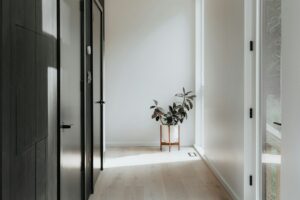

Working from home has changed how many of us use our houses. A spare room, box room or converted attic is no longer just storage. It is where the day happens. Once you spend six or seven hours there, the quality of light matters far more than you might think. Artificial lighting can do the job, but it rarely gives a room the steady, calm feel of natural daylight.
This is especially true in top-floor studies and loft workspaces, which can feel gloomy or stuffy depending on the weather. Daylight from above usually spreads more evenly across a room, which cuts harsh shadows on screens and desks. It can also make a compact space feel less closed in, which helps if your “office” is really a desk tucked beneath the eaves.
That is one reason people looking for practical ways to improve an upstairs workspace often consider options such as a Velux rooflight. Not because it makes a bold design statement, but because it solves a very ordinary problem: how to make a room pleasant enough to work in from Monday to Friday. Better daylight, a way to let out warm air, and a stronger sense of openness can make a noticeable difference to how usable the room feels.
What people tend to value most
- More even daylight across desks and shelving
- Improved ventilation in stuffy upper-storey rooms
- A greater sense of space in smaller layouts
There is also something less measurable going on. A room with a view of moving clouds or a patch of sky feels less enclosed. For anyone trying to read, write, design or sit through endless video calls without going slightly numb, that small link to the outside world can matter more than expected. Sometimes home improvements are not really about property value. They are about making everyday life a bit better.
Photo by Arnel Hasanovic.